PlaycraftTM
I write at the intersection of business posture, applied gamification, and strategic movement. For creatives, independent thinkers, and curious minds.
It publishes 11th & 22nd
.avif)
PLAYCRAFT: Start Here
Playcraft was born out of curiosity. Thirty years of connecting dots across entertainment, strategy, and movement. The interesting questions are where those worlds overlap.

Stop Making Sense
Enough experience buys you fast, reliable answers, and fast, reliable answers are exactly what shut the door on curiosity. A pigeon lady on a street corner, six lenses, and a case for slowing down before turning to AI.

Chicken Soup for Future Thinking
Nowadays uncertainty is being served at every conference, stirred into every trend report, and prescribed for almost every problem. Markets are uncertain. Technology is uncertain. Work is uncertain.

Cordura
Games were never just entertainment. Alfonso X knew that in 1283. This is the first of three articles on the inspiration and thought process behind designing a "Future thinking game."
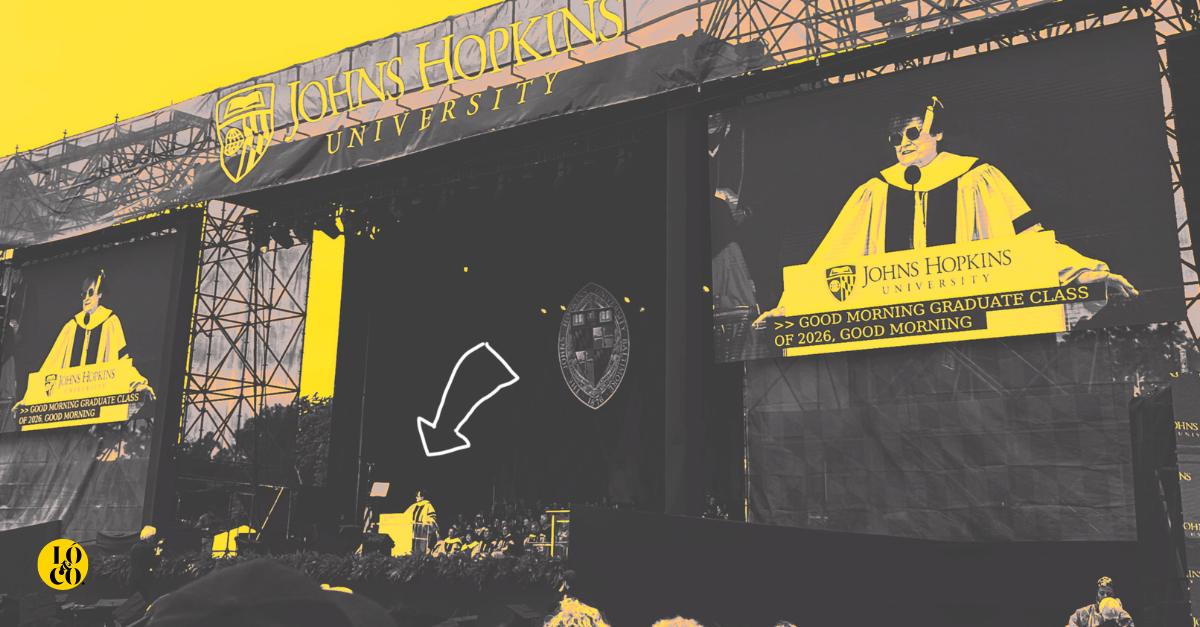
Don’t Kill the Messenger
My daughter graduated yesterday. The Nobel laureate at the podium sounded like someone who had waited long enough to say exactly what she meant.

The Medium Is Still the Message
McLuhan said media change us before we realise our thinking has changed. What generative AI is doing to the sequence of creative work, and where the anxiety actually comes from.

No... I Cannot Make the Logo Bigger
"Make the logo bigger" stalls the work. It's an overplay—one element stealing the thunder from everything around it
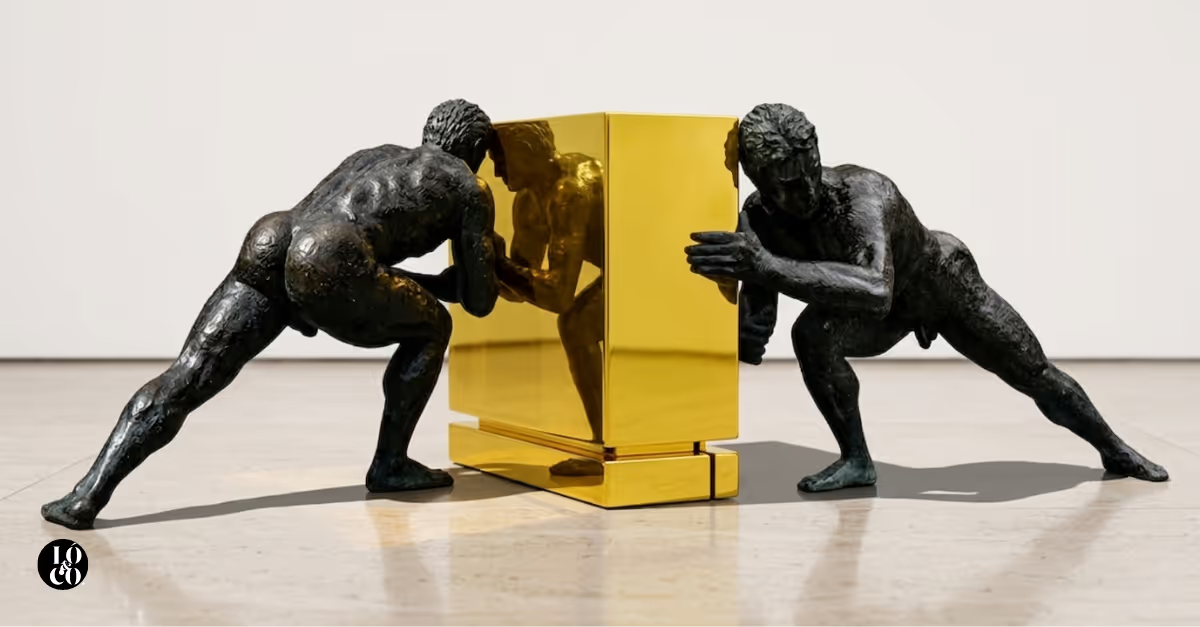
Distrustful Client Syndrome: Corrective Exercises
"The function of muscle is to pull and not to push, except in the case of the genitals and the tongue."
— Leonardo da Vinci.

Playing With Attention: Lessons From Neuromagic
What we experience as paying attention is largely the brain confirming its own predictions.
.png)
The Hinges of Business Posture
Every working system contains hinges. Points where motion transfers from one part of the structure to another.

Escape Rooms and the Future of Collaborative Work
Revolving Door Logic: continuous entry, your own pace.
.png)
Learning to See Before You Act
Spinning? Pause and name what’s actually happening. Seeing clearly is the first step to a better business.
The Oldest Victory Is Not Winning
If you had to guess, what is the oldest game in the world?

Why I Use Pilates to Design Business Strategy
Most businesses don’t fail because of a lack of ideas, talent, or ambition. They fail because they’re poorly coordinated.